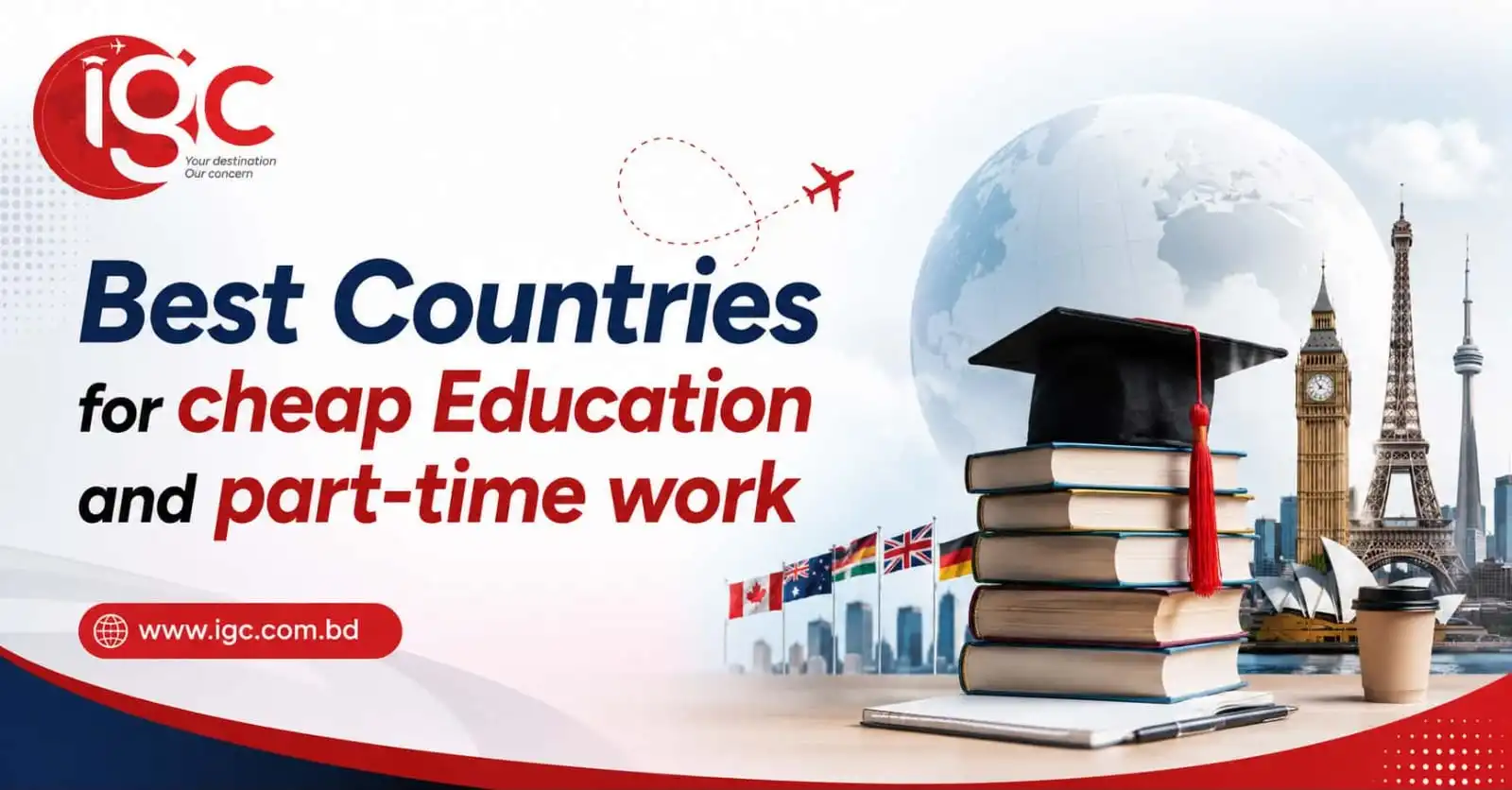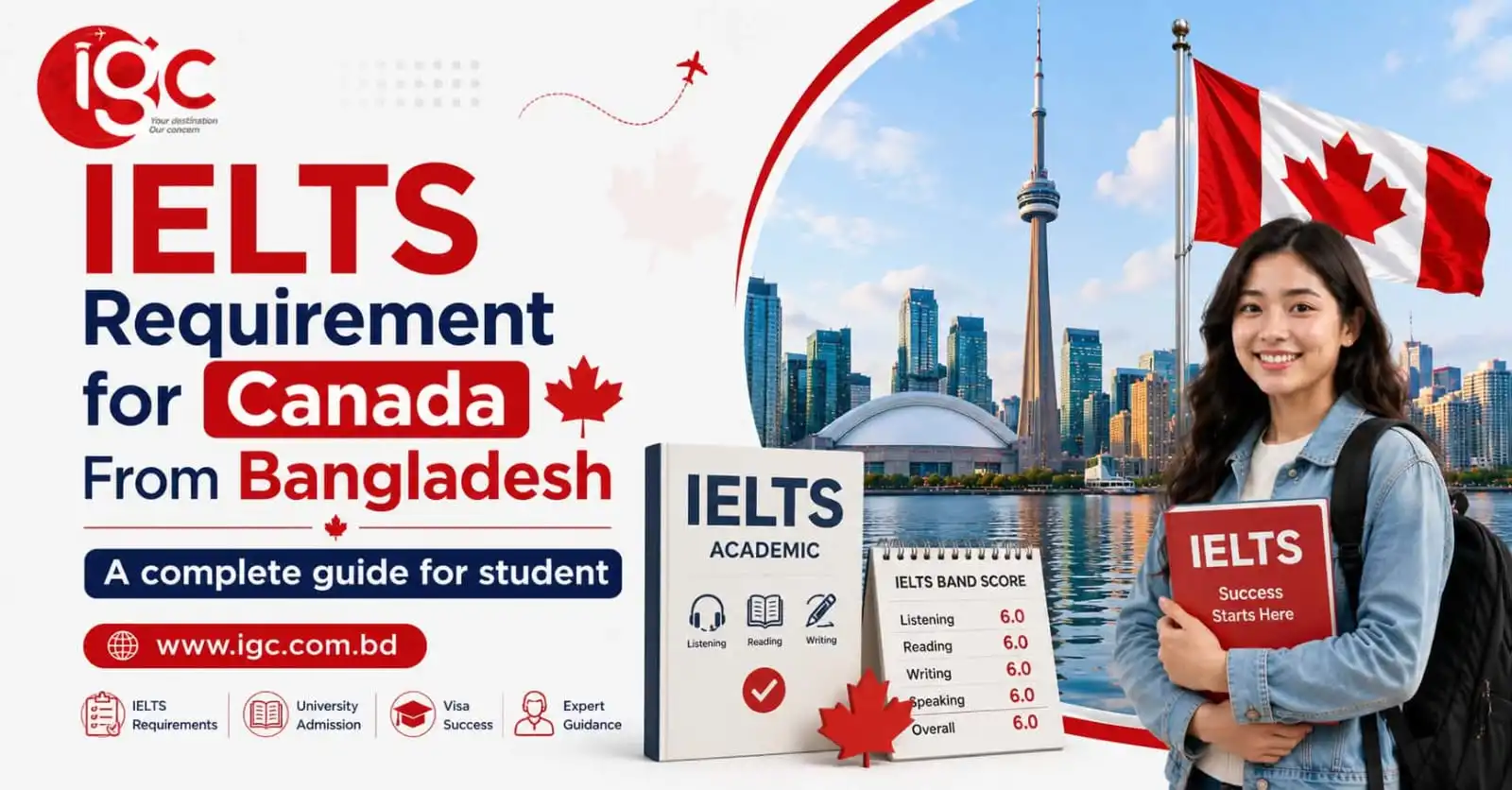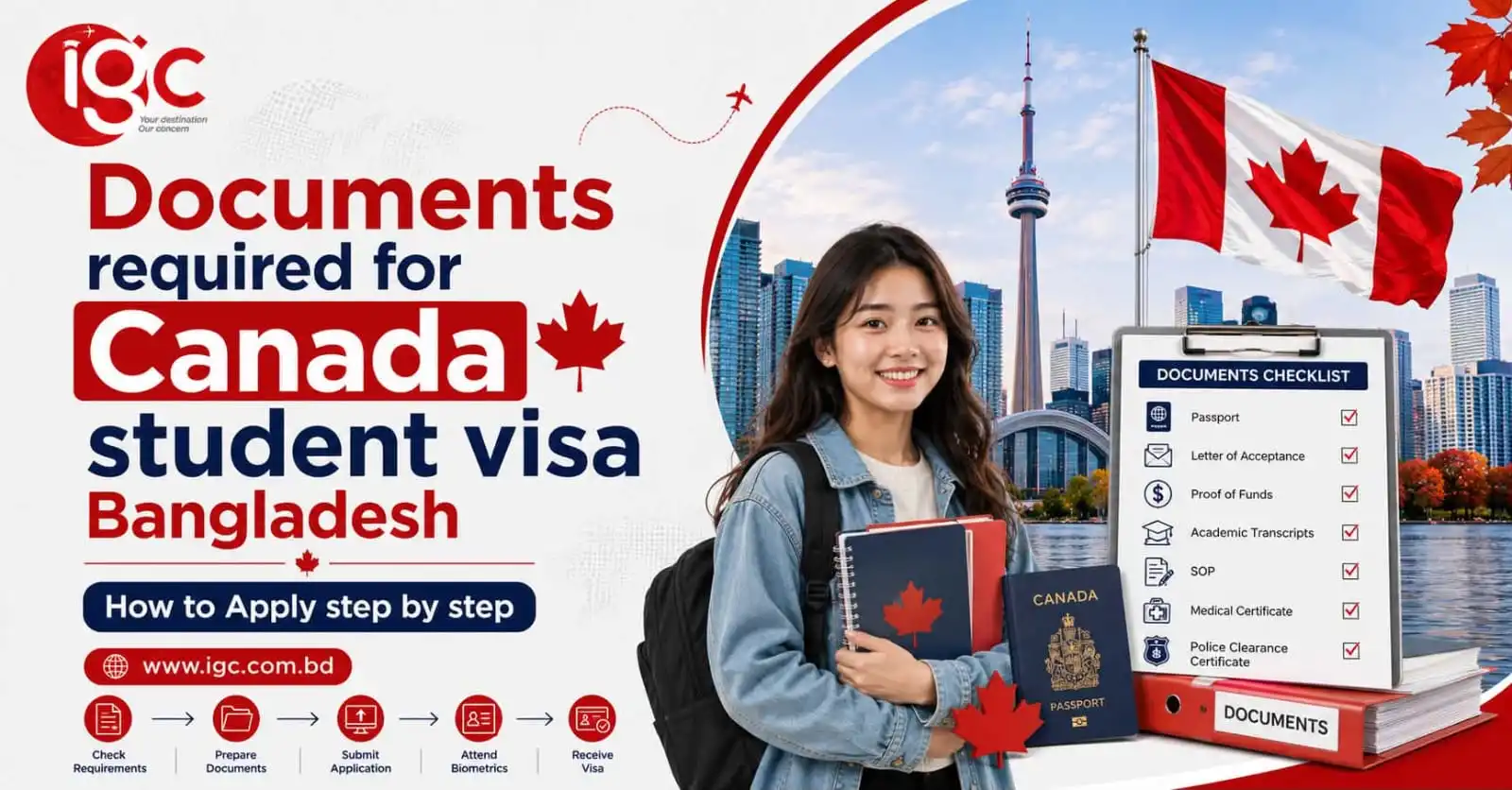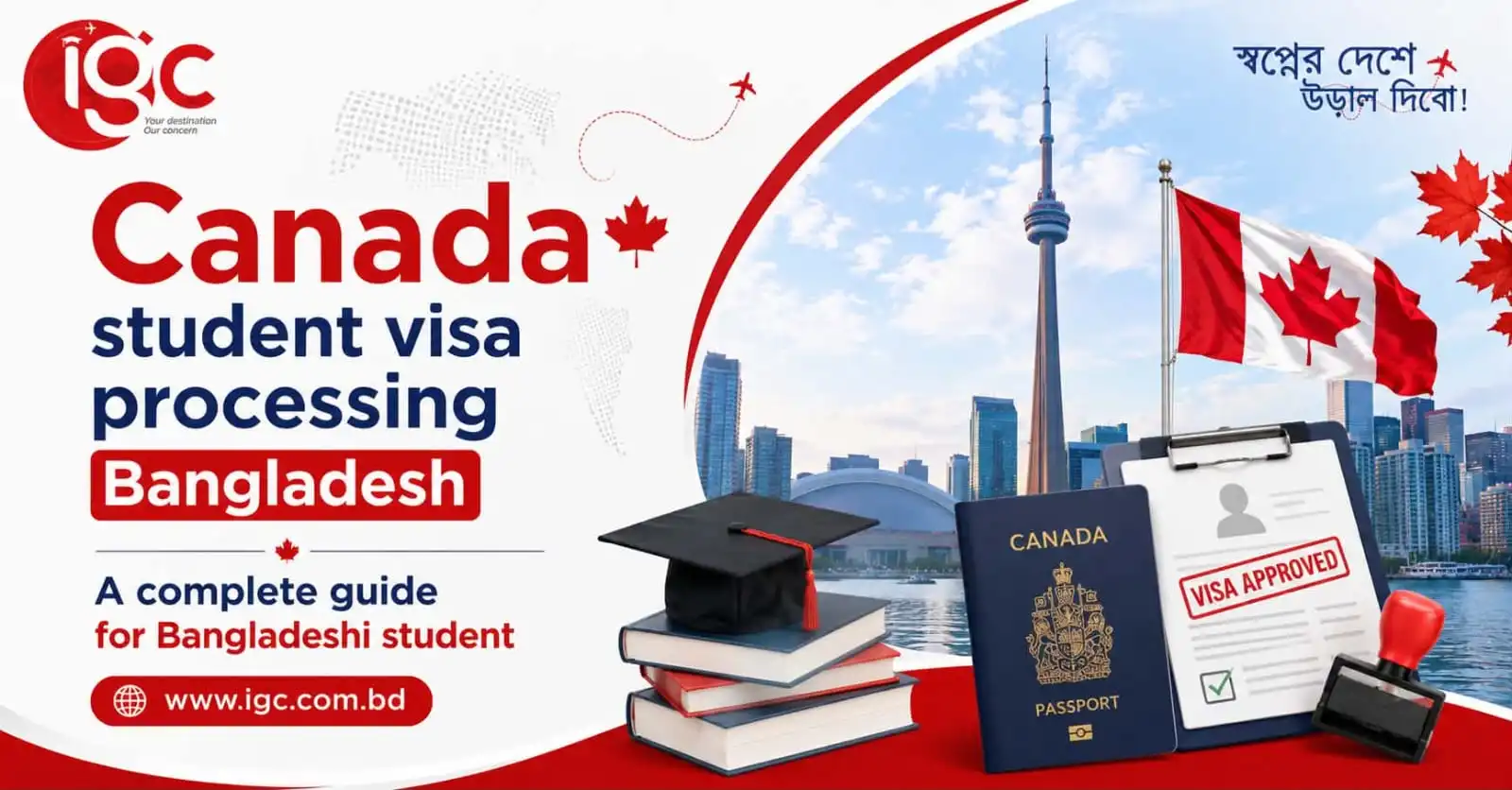
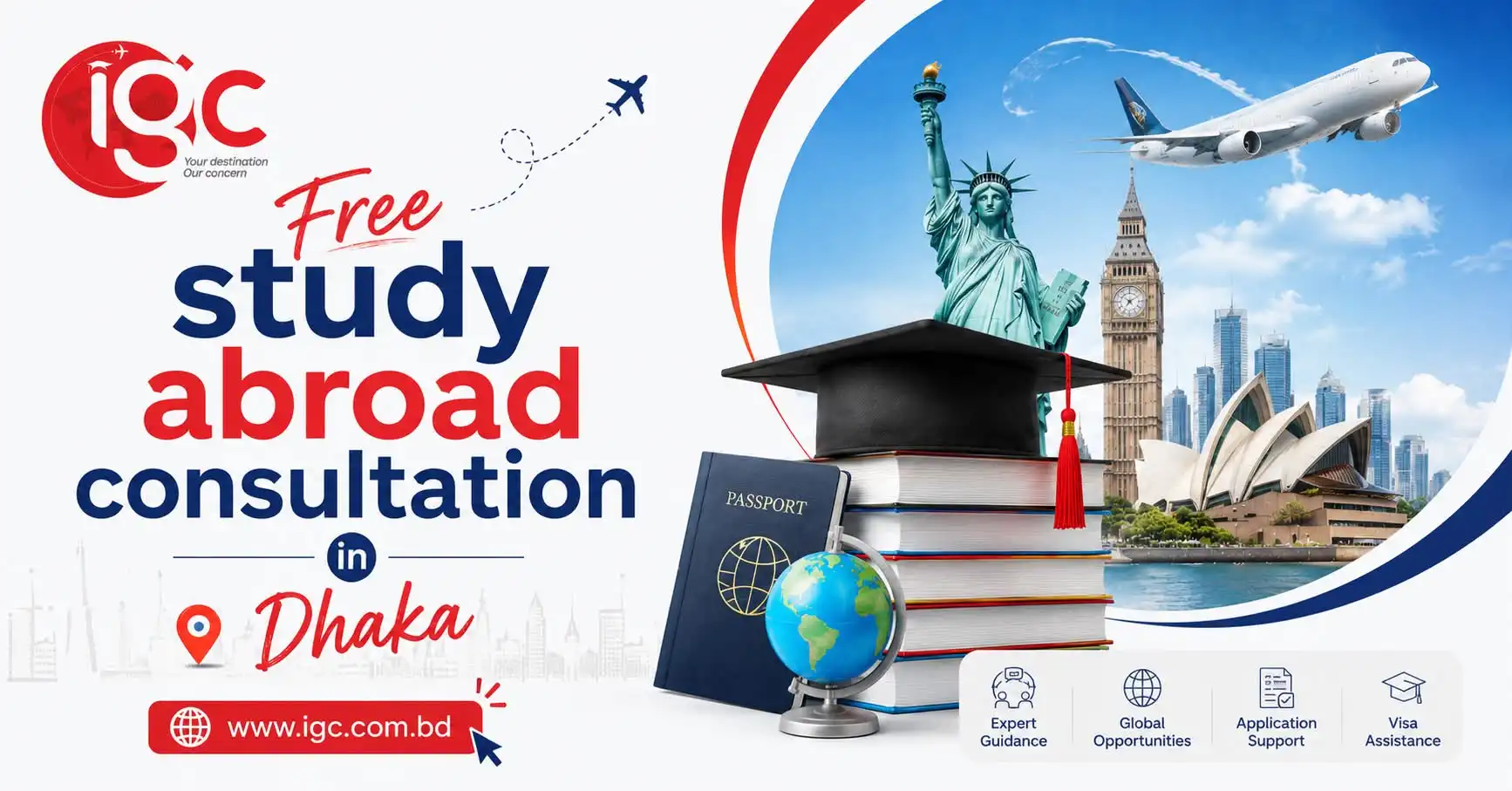
Free Study Abroad Consultation in Dhaka is not only a service. It is a starting point for many young people who dream of a better academic life, a stronger career, and a wider world. In Bangladesh, many students finish HSC, bachelor’s, diploma, or master’s with good hope, but they often do not know where to begin. They hear about the UK, USA, Canada, Australia, Hungary, Denmark, Malaysia, Germany, Finland, and other countries. They see success stories on social media. They also see visa refusals, high tuition fees, confusing documents, and painful mistakes. This is why Free Study Abroad Consultation in Dhaka has become important for students and parents who want clear guidance before taking a big step.
A good consultation does not force a student to choose a country quickly. It studies the student’s academic record, English score, family budget, career goal, and visa background. It helps the student understand which path is realistic and which path is risky. For example, a student with a GPA of 4.00 in HSC may need one type of plan, while a diploma student with work experience may need another type of plan.
Free Study Abroad Consultation in Dhaka: A Real Need, Not Just a Trend
Free Study Abroad Consultation in Dhaka is becoming popular because students now have more options than before. According to UNESCO-based reports, more than 52,000 Bangladeshi students studied abroad in 2023. This number shows that international education is no longer only for a small elite group. Middle-class families from Dhaka, Chattogram, Sylhet, Cumilla, Rajshahi, Khulna, Rangpur, Barishal, and many district towns are now thinking seriously about foreign education.
But more options also mean more confusion. A student may ask:
These are not small questions. Each answer can shape a student’s future. Free study abroad consultation in Dhaka can help students compare countries, courses, costs, scholarships, and visa rules before they make a final decision.
How a Study Abroad Consultant Helps in the First Meeting
A reliable study abroad consultant usually starts with a profile assessment. This means the consultant checks your academic background, English language ability, financial capacity, career target, and family situation. This first meeting should feel like a discussion, not a sales talk.
For example, imagine a student named Rafi from Mirpur. He completed HSC in Science with GPA 4.50. He wanted to study in Canada because his cousin lived there. But during consultation, he learned that his family budget was more suitable for Hungary or Malaysia at the bachelor’s level. He also learned that some European universities offered lower tuition fees and good academic value. Rafi did not give up his dream. He simply changed his plan into a more practical one.
A proper consultant may help with:
This support is useful because most students do not fail due to lack of dreams. They fail because they do not understand the process clearly.
Free Study Abroad Consultation in Dhaka and the Reality of Family Budget
Money is one of the biggest challenges for Bangladeshi students. Many families want to send their children abroad, but they are afraid of tuition fees, living costs, travel costs, health insurance, visa fees, and bank statement requirements. A student may feel shy to talk about family budget. But hiding the budget can lead to wrong country selection.
Let us take the story of Nusrat from Dhanmondi. She wanted to study business in the UK. Her family could afford the first-year tuition fee, but they were worried about living costs. During consultation, she compared the UK, Hungary, Finland, and Malaysia. She learned that the UK was faster and career-focused, but some European options were more budget-friendly. After discussing with her parents, she chose a university where tuition was manageable and the course matched her career goal.
This is why free study abroad consultation in Dhaka should include a full cost discussion. Students should ask about:
A good consultant will not promise easy money or guaranteed income. Instead, the consultant will help the student build a safe financial plan.
Student Visa Guidance for Bangladeshi Applicants
Student visa guidance is one of the most important parts of the study abroad journey. Many students think visa success depends only on admission. This is wrong. Admission is only one step. Visa officers also look at academic purpose, financial ability, genuine student intention, future plan, and document honesty.
For Bangladeshi students, common visa challenges include weak SOP, unclear career plan, unexplained study gap, poor bank document, course mismatch, and low English score. A student who studied Humanities may apply for Computer Science without any strong reason. A bachelor’s graduate may apply for a lower-level diploma without proper explanation. These cases can create doubt.
A strong visa file should show a clear story. It should explain why the student chose the course, why the country is suitable, how the family will fund the study, and why the student has a future plan after graduation. The story must be honest and logical.
Free Study Abroad Consultation in Dhaka can help students understand these visa risks early. It can also help them avoid fake documents, copied SOPs, and unrealistic promises. Honest guidance is always better than fast promises.
University Admission Support and Course Matching
University admission support is more than filling out an online form. It is about choosing the right academic path. Many students make mistakes because they follow friends or relatives without checking their own profile.
For example, a student named Mahin from Mohammadpur completed a diploma in Mechanical Engineering. His friend applied for Business Management in Europe. Mahin also wanted to apply for the same course. But after consultation, he understood that Automotive Engineering or Mechanical Engineering would match his background better. His SOP became stronger because his course choice connected with his previous education.
Course matching matters because visa officers and universities both look for logic. If your past study, future course, and career goal connect well, your application becomes more convincing. If the connection is weak, you need a strong explanation.
Students should ask the consultant:
A good consultant does not only ask where you want to go. A good consultant asks why that path makes sense for you.
Scholarship Advice for Students with Limited Funds
Scholarship advice is very important for Bangladeshi students because many families cannot pay high tuition fees. Some students believe scholarships are only for top students. This is not always true. Many universities offer partial scholarships based on merit, early application, English score, leadership, or strong motivation.
However, students must be realistic. A full scholarship is highly competitive. A partial scholarship is more common. Some countries also offer low tuition public universities, but they may require strong academic results, language skills, or early application.
A student named Tanjim from Cumilla had a good HSC result but no IELTS at first. He wanted to study in Europe. His consultant advised him to take IELTS, improve his SOP, and apply before the priority deadline. He did not receive a full scholarship, but he received a tuition discount. For his family, that discount made the plan possible.
Students should prepare early for scholarships. They should collect transcripts, certificates, recommendation letters, passport, English test score, and a strong personal statement. Scholarship success is not magic. It is a result of planning.
Cultural Differences and Emotional Preparation
Studying abroad is not only about getting admission and visa. It is also about living in a new culture. Many Bangladeshi students face loneliness, food problems, weather shock, language barriers, and classroom differences. In Bangladesh, many students are used to family support. Abroad, they may need to cook, clean, travel, manage money, attend classes, and work part-time by themselves.
A student named Sumaiya from Uttara went to Europe for a bachelor’s program. At first, she missed rice, family meals, and Bangla conversation. She also felt nervous when teachers asked students to speak in class. Slowly, she joined student groups, cooked with other Bangladeshi students, and learned how to ask questions in class. After six months, she became more confident.
Free Study Abroad Consultation in Dhaka should prepare students for these real-life changes. Practical advice can include:
Why Free Study Abroad Consultation in Dhaka Should Be Honest and Student-Centered
Free Study Abroad Consultation in Dhaka should not be a trap. Students should be careful if someone promises guaranteed visa, guaranteed job, or guaranteed permanent residency. No consultant can honestly guarantee these things. The role of a consultant is to guide, prepare, and support. The final decision depends on the university, embassy, immigration rules, and the student’s own profile.
A student-centered consultant listens first. The consultant explains both benefits and risks. For example, if a student has low grades, low budget, and no English score, the consultant should not push the student into an expensive destination. Instead, the consultant should suggest a realistic plan. This may include improving IELTS, choosing a lower-cost country, selecting a foundation program, or waiting for a better intake.
Students should also take responsibility. They should read documents, understand rules, ask questions, and avoid blind trust. A good consultation works best when the student and consultant both act honestly.
Practical Step-by-Step Plan for Students
Here is a simple plan for Bangladeshi students who want to study abroad:
This process looks long, but it becomes easier when each step is done at the right time.
Common Mistakes Students Should Avoid
Many students lose time and money because of avoidable mistakes. Some common mistakes are:
A free study abroad consultation in Dhaka can help students avoid these mistakes. But students must also stay alert. Always ask for written information, official university links, and clear cost breakdowns.
Free Study Abroad Consultation in Dhaka for Parents
Parents play a major role in Bangladeshi study abroad decisions. Many students cannot continue without family support. So, consultation should include parents when possible. Parents often ask practical questions about safety, cost, accommodation, religious environment, food, part-time work, and future career.
A father from Narayanganj once wanted to send his son to a very expensive university because he thought higher tuition meant better quality. After consultation, he understood that university value depends on course quality, recognition, location, career support, and affordability. He later chose a more balanced option for his son.
Parents should not feel shy to ask questions. Their financial and emotional support is part of the student’s success.
Summary
Free Study Abroad Consultation in Dhaka can help Bangladeshi students move from confusion to a clear plan. It supports country choice, course matching, scholarship search, financial planning, visa preparation, and emotional readiness. The best consultation is honest, practical, and student-centered. With the right guidance, students can avoid common mistakes and build a future that matches their ability, budget, and dream.
Frequently Asked Questions
1. What is Free Study Abroad Consultation in Dhaka?
2. Who should take free study abroad consultation?
3. Is free consultation really free?
4. Which countries are popular for Bangladeshi students?
5. Can I study abroad with a low GPA?
6. Can I get a scholarship through consultation?
7. How much money do I need to study abroad?
8. Can I work part-time while studying abroad?
9. Why is SOP important for visa success?
10. What documents do I need for study abroad application?
11. Can I apply without IELTS?
12. What should I do if I have a study gap?
13. How can parents support a student’s study abroad plan?
14. How do I know if a consultant is trustworthy?
15. When should I start the study abroad process?